- The Human Guide
- Posts
- We Let AI Cross The Line

In partnership with

Hello, Human Guide
Today, we will talk about these THREE stories:
AI quietly stepping out of the screen and into the physical world
Google’s Gemini push turning abstract intelligence into usable products
Why AI investors are widening the field beyond Nvidia
Become An AI Expert In Just 5 Minutes

If you’re a decision maker at your company, you need to be on the bleeding edge of, well, everything. But before you go signing up for seminars, conferences, lunch ‘n learns, and all that jazz, just know there’s a far better (and simpler) way: Subscribing to The Deep View.
This daily newsletter condenses everything you need to know about the latest and greatest AI developments into a 5-minute read. Squeeze it into your morning coffee break and before you know it, you’ll be an expert too.
Subscribe right here. It’s totally free, wildly informative, and trusted by 600,000+ readers at Google, Meta, Microsoft, and beyond.
AI Just Left the Screen
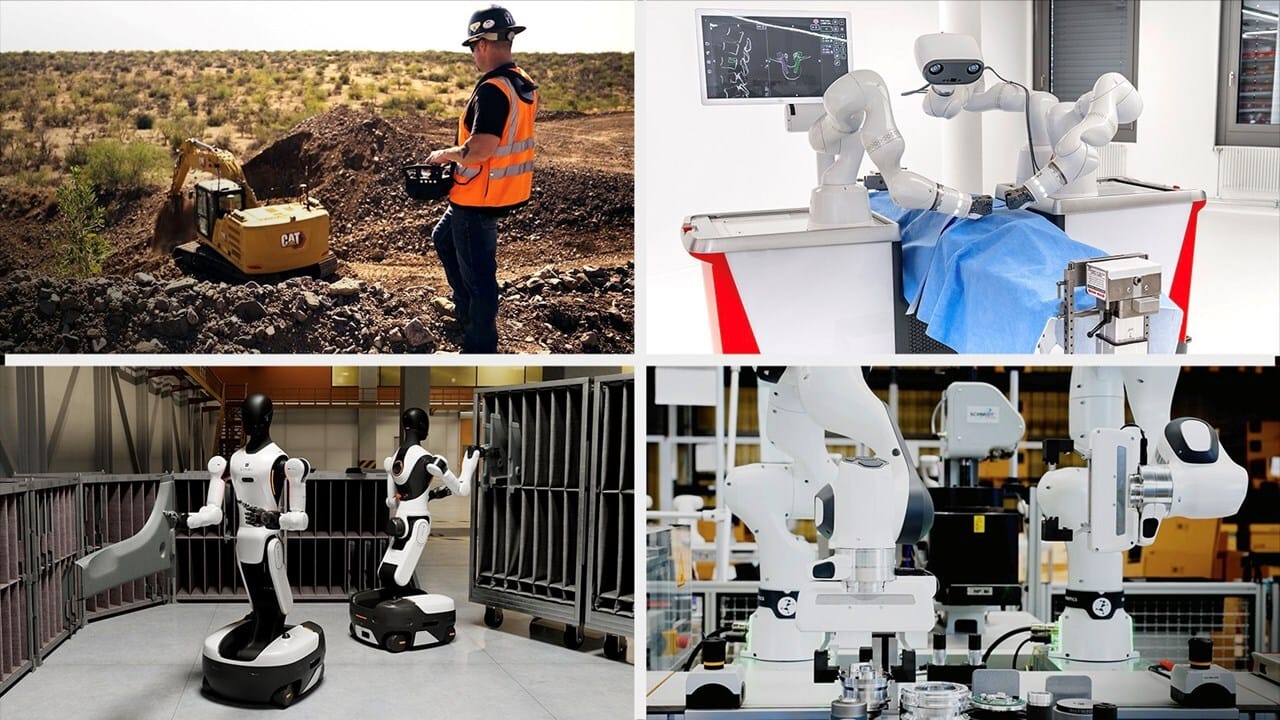
The AI era just crossed from software into physical space.
At CES, companies showcased AI-powered robots, assistants, and devices designed to operate in homes, factories, and public spaces. Nvidia-backed robotics platforms, consumer AI pets, and autonomous systems were presented not as demos, but as near-market products rolling out through 2026.
What stands out is how unglamorous this shift feels. This is less about viral chatbots and more about machines quietly navigating rooms, lifting objects, and responding in real time, often under fluorescent lights in convention halls at 9 a.m.
The implication is clear: physical AI raises the cost of failure. When software hallucinates, it’s annoying. When robots do, it breaks things.
If AI is now acting in the real world instead of just talking about it, the real question is who carries the risk when these systems make mistakes?
Google Is Turning Intelligence Into Products
Google is done selling AI as a magic trick.
Executives at Google DeepMind have framed Gemini not as a single model release, but as infrastructure, embedded across search, workspace tools, and developer products. The focus is on multimodal reasoning, tool use, and reliability over spectacle.
What struck me is how defensive this feels in a quiet way. This isn’t about winning Twitter benchmarks. It’s about making AI boring enough to trust at work, late in the day, when deadlines stack up and mistakes cost real money.
The strategy signals a shift: intelligence alone is no longer the product. Integration, distribution, and workflow fit are what matter now.
If the AI race is becoming about usefulness instead of raw power, the real question is whether flashy models still matter at all.
AI Investors Are Looking Past Nvidia
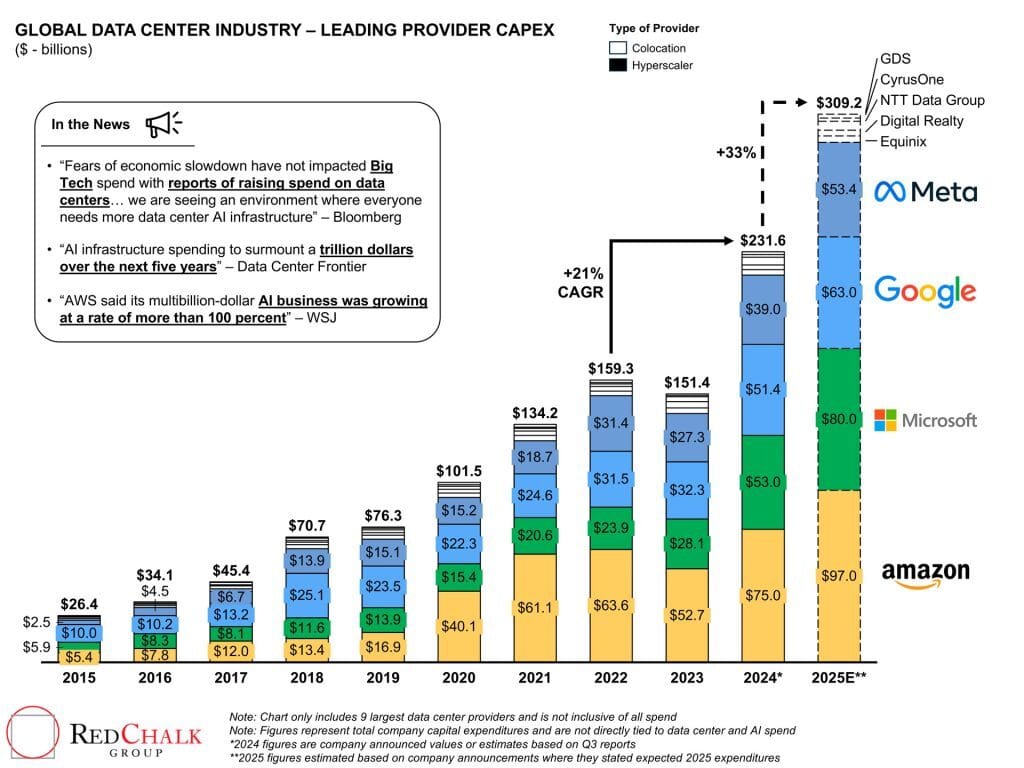
The AI money is starting to spread out.
While Nvidia remains dominant, investors are increasingly rotating into second-order AI plays: data center infrastructure, chip suppliers, robotics firms, and vertical software companies applying AI directly to industry. Market analysts point to rising capital flows into firms that benefit from AI adoption, not just model training.
What bothers me is how quietly this shift is happening. There’s no keynote, no hype cycle—just traders watching screens glow white at opening bell and reallocating risk away from a single bottleneck.
This suggests the market believes AI is no longer optional, but also no longer concentrated. The payoff phase is getting messier and more distributed.
If AI stops being a winner-takes-all story, the real question is how many companies survive once the hype premium disappears.