- The Human Guide
- Posts
- This Is What Happens When AI Goes Too Far
This Is What Happens When AI Goes Too Far
Plus: The AI insights every decision-maker needs right now

Felix Khakame
January 06, 2026
In partnership with

Hello, Human Guide
Today, we will talk about these THREE stories:
Why the cloud’s $1.5 trillion AI bet suddenly looks fragile
How CES quietly confirmed AI is done asking for permission
Why AI stocks are wobbling after a year of blind belief
The AI Insights Every Decision Maker Needs
You control budgets, manage pipelines, and make decisions, but you still have trouble keeping up with everything going on in AI. If that sounds like you, don’t worry, you’re not alone – and The Deep View is here to help.
This free, 5-minute-long daily newsletter covers everything you need to know about AI. The biggest developments, the most pressing issues, and how companies from Google and Meta to the hottest startups are using it to reshape their businesses… it’s all broken down for you each and every morning into easy-to-digest snippets.
If you want to up your AI knowledge and stay on the forefront of the industry, you can subscribe to The Deep View right here (it’s free!).
The Cloud Might Be the Wrong Bet
The most expensive AI infrastructure in history may already be aging out.
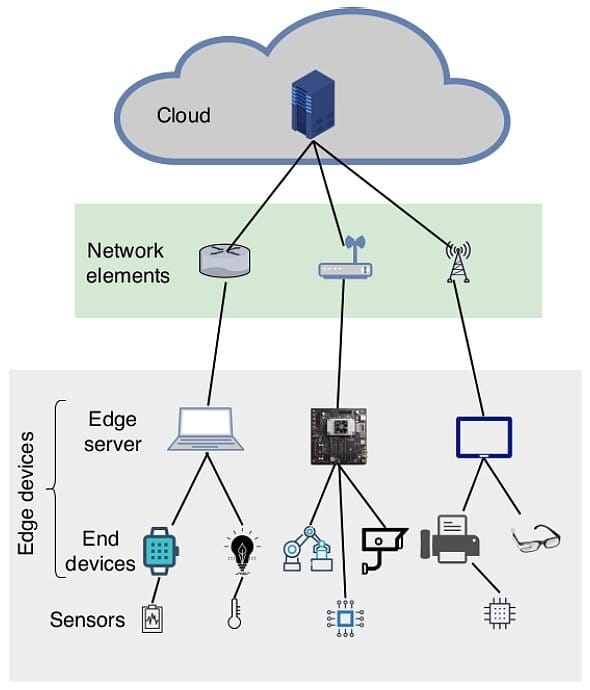
Aravind Srinivas, CEO of Perplexity AI, warned this week that multi-billion-dollar cloud data centers could become obsolete as models shrink and run locally on devices. His argument is simple: when inference moves to phones, laptops, and edge hardware, centralized compute loses leverage.
What stands out is how quietly this challenges Big Tech’s core assumption. Companies like Microsoft, Google, and Amazon are spending hundreds of billions on data centers built for scale, not intimacy. This feels less like a performance debate and more like a control problem, with cloud giants betting that gravity never shifts.
If on-device AI gets “good enough,” latency drops, privacy improves, and costs collapse. The value of owning massive centralized compute weakens fast. Everything else gets cut.
If the future runs quietly on personal hardware, the real question is who ends up holding the empty buildings?
CES Just Admitted AI Is Everywhere Now

CES stopped pretending AI is optional.
At Consumer Electronics Show 2026, AI showed up inside toothbrushes, washing machines, health sensors, and robots designed for ordinary homes. Reuters reports automakers pulled back on flashy EV promises and doubled down on autonomy, perception systems, and in-car AI assistants instead.
What struck me is how physical this all felt. This wasn’t about chatbots on slides. It was about sensors humming quietly, robots folding laundry, and health alerts arriving without being asked. You can almost hear the soft click of systems making decisions while people stop noticing.
This marks the shift from AI as software to AI as environment. Once intelligence is embedded into everyday objects, opting out stops being realistic.
If AI fades into the background of daily life, the harder question is how much consent we lose without ever saying yes.
Wall Street Is Losing Its AI Nerve
The market is starting to blink.
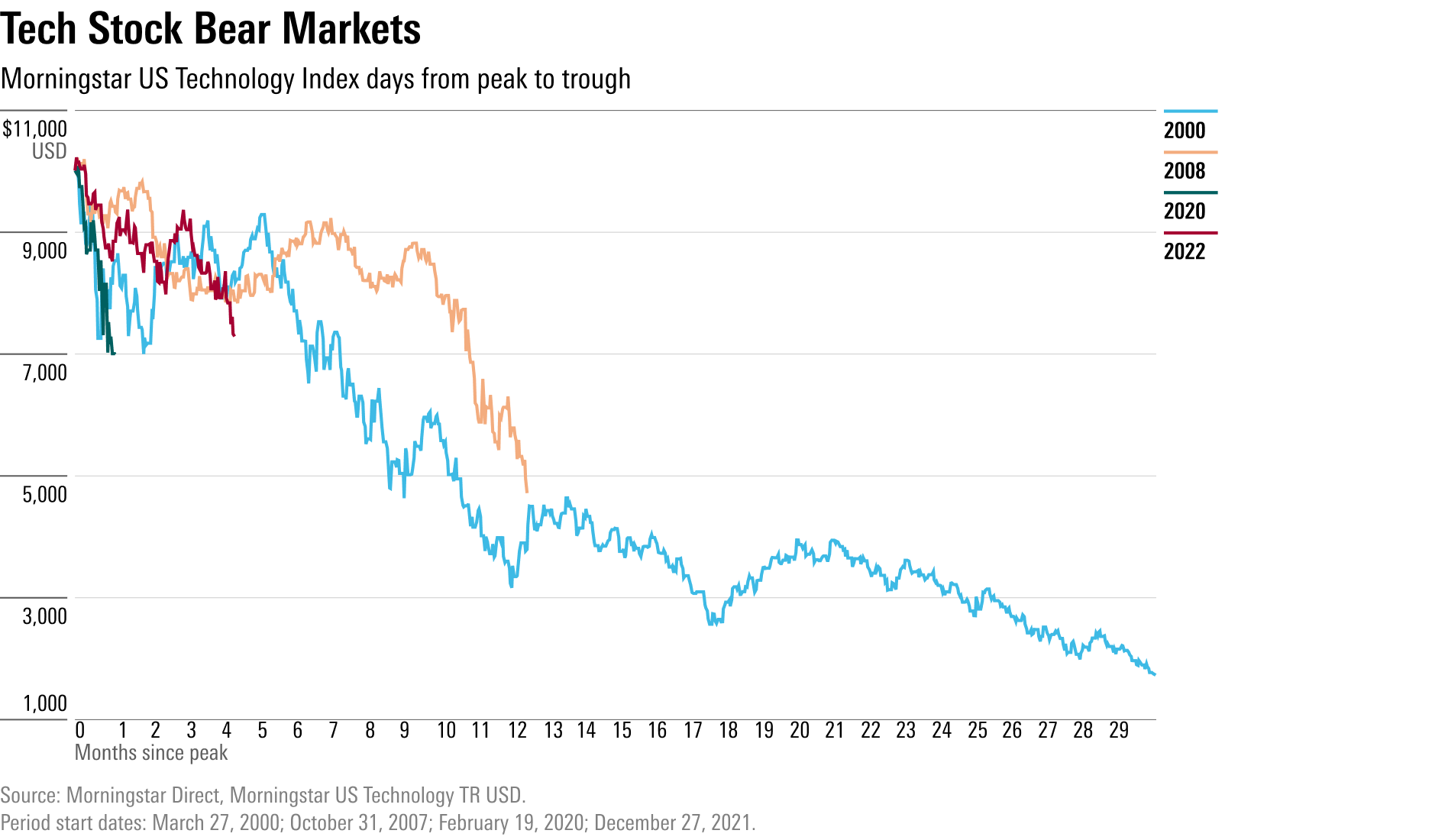
After massive gains in 2025, AI stocks have entered a volatile pullback phase as investors reassess valuations, according to Investors Business Daily. Even companies with strong AI narratives are seeing pressure as expectations collide with slower-than-promised enterprise payoffs.
What bothers me is how familiar this feels. The belief curve raced ahead of real revenue, while costs stayed brutally concrete. Data centers, talent, energy, and integration bills show up on balance sheets long before magic margins do.
This isn’t an AI crash. It’s a confidence recalibration. Capital doesn’t disappear—it concentrates, and everyone else learns what “non-essential” really means.
If belief was doing most of the work before, the real question is who survives when numbers have to carry it alone.