- The Human Guide
- Posts
- The AI Power Grab Just Went Public
The AI Power Grab Just Went Public
Plus: CES turns into an AI arms show, Disney rewires advertising, and healthcare quietly hands the wheel to algorithms

Felix Khakame
January 08, 2026
Hello, Human Guide
Today, we will talk about these THREE stories:
CES 2026 revealed who is actually winning the AI hardware and robotics race
Disney’s AI ad tools show where creative control is really heading
Healthcare’s AI boom is less about care—and more about control
CES Just Became an AI Arms Show
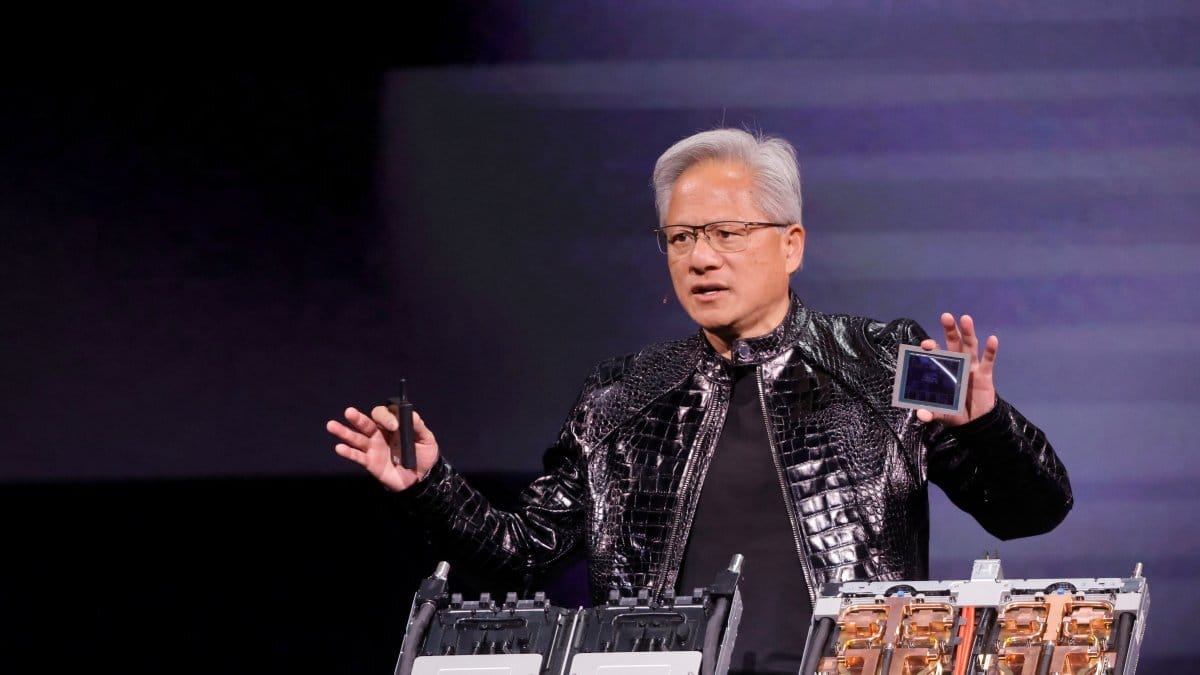
CES used to be about gadgets, but this year it felt like a weapons demo.
At CES 2026, companies unveiled AI chips, humanoid robots, autonomous vehicles, and on-device models designed to run without the cloud, according to Business Insider. Nvidia’s new architectures promise multi-fold efficiency gains for robotics and real-time inference, while startups showed robots that can walk, grasp, and adapt without scripted behavior.
What stands out is how physical everything suddenly feels. This is no longer about chat windows glowing at midnight, it’s about machines moving through warehouses, streets, and homes while dashboards quietly refresh. AI has crossed from software ambition into hardware reality.
The implication is simple: once AI lives in machines with bodies, mistakes get expensive fast. Regulation, liability, and public trust move from theory to friction.
If AI is now embedded in objects that can act on the world, the real question is who takes responsibility when those actions go wrong?
Disney’s AI Is Quietly Rewriting Advertising
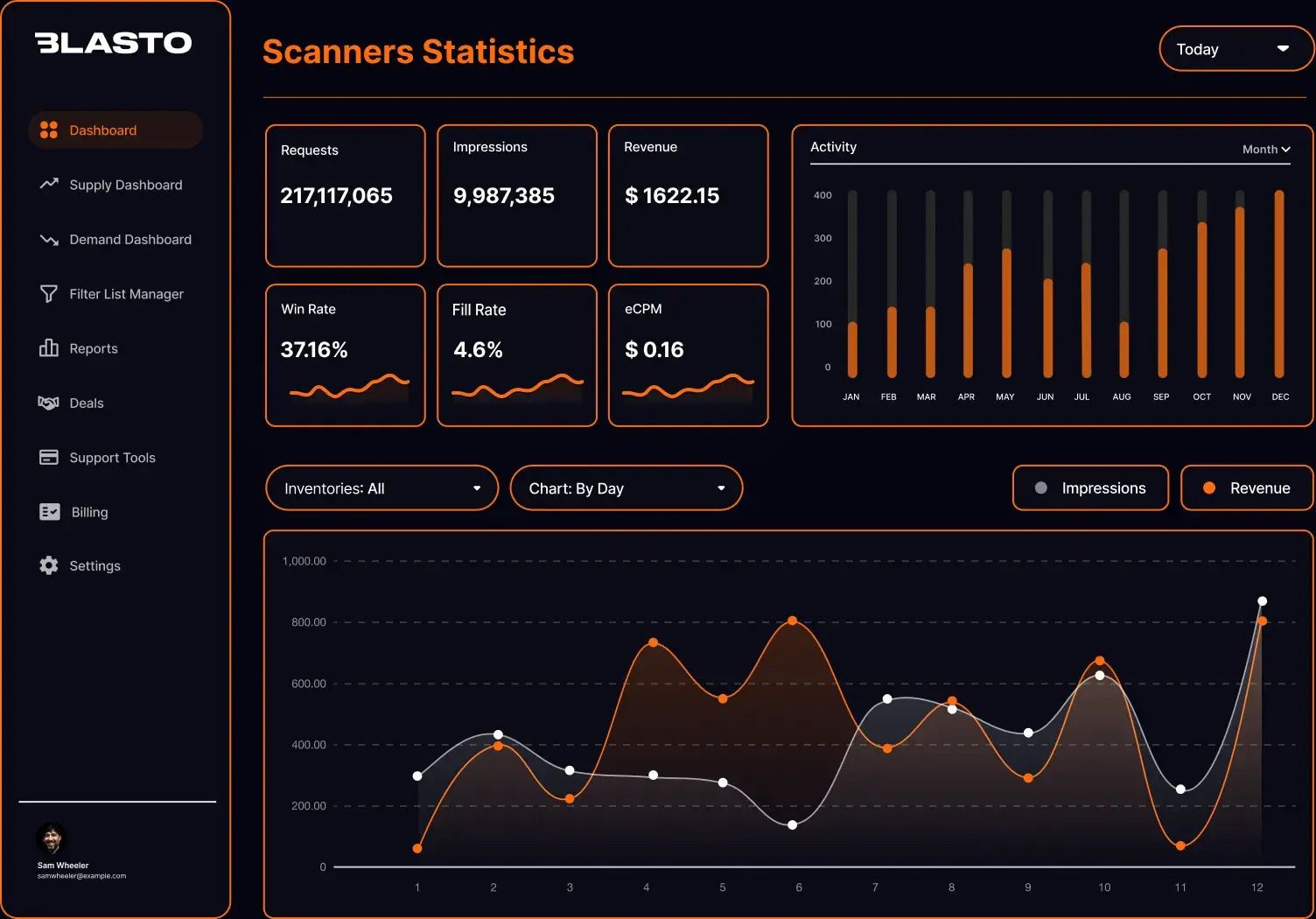
Disney didn’t announce magic, it announced leverage.
At its Tech & Data Showcase, Disney revealed AI tools that help advertisers plan, target, and optimize campaigns across its media empire, from streaming to parks, according to WDWNT. These systems combine first-party data, predictive modeling, and automated creative testing at a scale most brands can’t replicate alone.
What bothers me is how little this is about creativity. This is less about better ads and more about turning attention into a controllable system, measured minute by minute while teams stare at glowing dashboards late in the day.
The consequence is a power shift. Brands that rely on platforms like Disney lose bargaining power, while platforms become the strategy layer themselves.
If AI decides what creative works before humans even debate it, the real question is who is actually making the decisions?
Healthcare’s AI Boom Isn’t About Patients
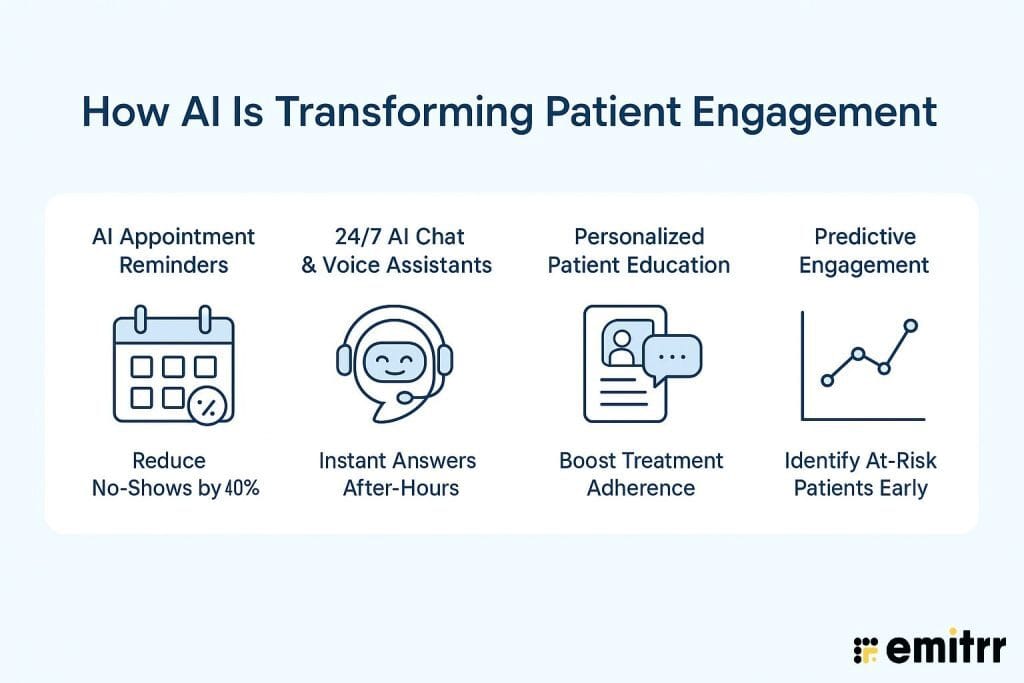
Hospitals are adopting AI faster than most people realize.
Healthcare reports show AI tools now handle patient engagement, scheduling, triage messaging, and predictive operations, improving response rates and reducing staff workload across large systems. These platforms promise efficiency, personalization, and lower costs at a time when healthcare labor shortages keep worsening.
What stands out is the quiet trade being made. Patients get faster responses, but systems collect more data, automate more judgment, and shift decisions away from human discretion, often late at night when alerts keep coming.
The risk is normalization. Once AI mediates care by default, opting out becomes friction instead of a choice.
If algorithms become the front door to healthcare, the real question is how much human judgment we’re willing to give up for speed.