- The Human Guide
- Posts
- Google Just Broke Video Creation
Google Just Broke Video Creation
Plus: crease-free foldables and the quiet security failure no one wants to talk about

Felix Khakame
January 14, 2026
In partnership with

Hello, Human Guide
Today, we will talk about these THREE stories:
Google’s AI video tool quietly pivots to TikTok-native creation
Samsung may have finally solved the foldable phone’s biggest flaw
Microsoft patches 113 security holes, eight already being exploited
Introducing the first AI-native CRM

Connect your email, and you’ll instantly get a CRM with enriched customer insights and a platform that grows with your business.
With AI at the core, Attio lets you:
Prospect and route leads with research agents
Get real-time insights during customer calls
Build powerful automations for your complex workflows
Join industry leaders like Granola, Taskrabbit, Flatfile and more.
Google’s AI Just Went Vertical (And That’s the Whole Game)

Google didn’t announce a revolution, it just rotated the camera.
This week, Google updated Veo to natively generate 9:16 vertical videos, including reference-based visuals designed for Shorts, TikTok, and Reels. TechCrunch reports the update removes manual cropping and reframing, cutting production time for social-first videos by hours per asset.
What stands out is how unsexy this is and why it matters. This isn’t about cinematic AI films or festivals. This is about creators sitting late at night, phone glowing, needing something that fits the feed without extra steps. Vertical isn’t a format anymore; it’s the default shape of attention.
This shifts AI video from “impressive demo” to “content factory.” The cost of filling feeds just dropped again.
If AI can now generate native, algorithm-friendly video at scale, the real question is how long human-made content can compete on volume alone.
Samsung May Have Finally Killed the Foldable Crease
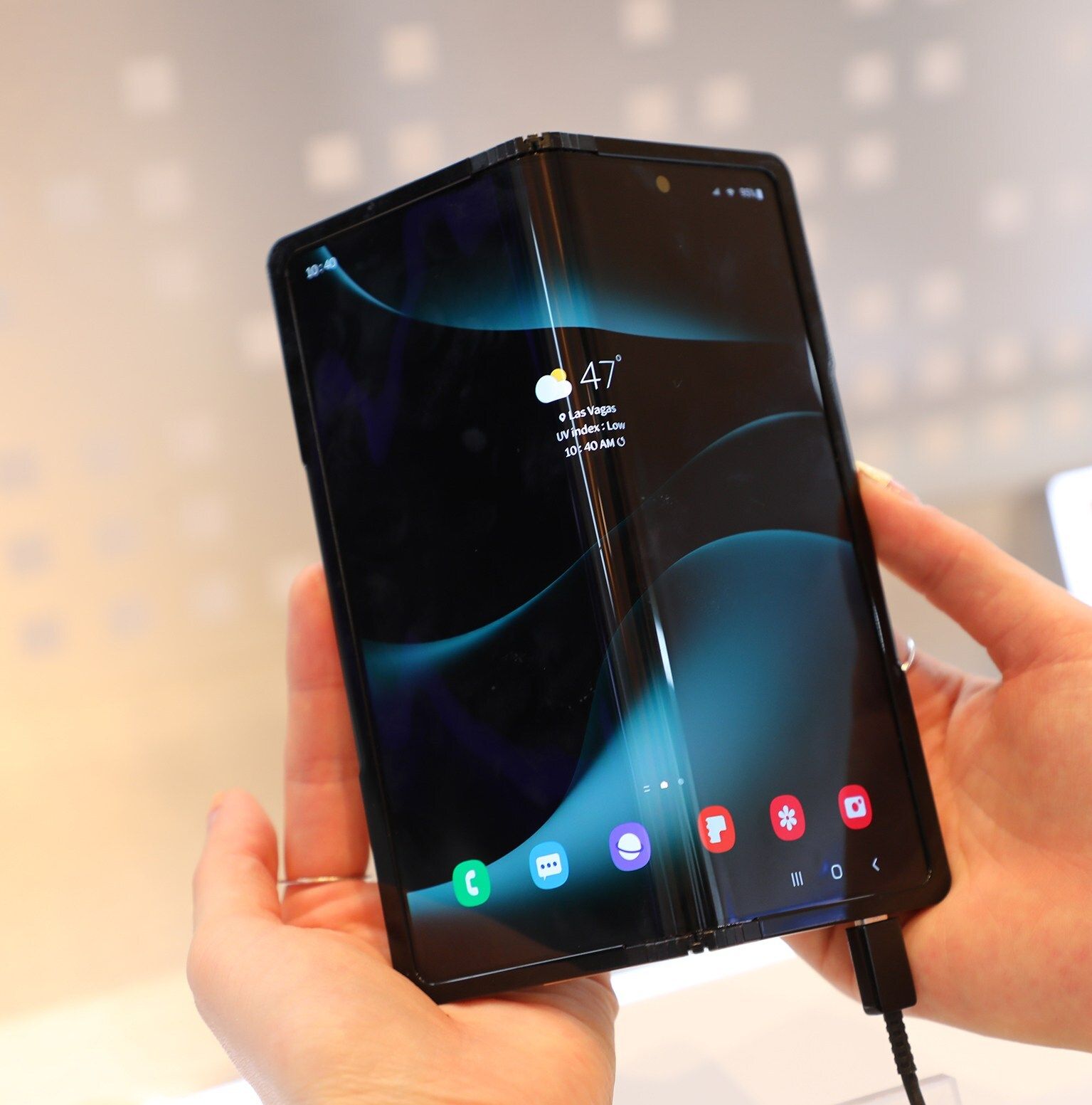
Foldables have always come with an apology baked into the screen.
Rumors reported by 9to5Google suggest the next Galaxy Z Fold could ship with a nearly invisible crease, thanks to a redesigned hinge and new OLED layering. If accurate, this would be the first mainstream foldable where the flaw users tolerate quietly might actually be gone.
What strikes me is how psychological this is. The crease was never just a hardware issue it was a constant reminder that you were using a compromise. Every swipe crossed it. Every video bent around it. Remove that, and the phone stops feeling experimental.
If Samsung pulls this off, foldables stop being “for enthusiasts” and start becoming boring and boring is how tech wins.
When the biggest visual flaw disappears, the real question is whether slab phones still make sense at all.
Microsoft Fixed 113 Holes, Eight Were Already Being Used

The hackers didn’t wait for Patch Tuesday.
Microsoft’s January update fixed 113 vulnerabilities, including eight critical zero-days already being exploited in the wild, according to Krebs on Security. The flaws spanned Windows, Office, and core services used by millions of enterprises daily.
What bothers me is how routine this sounds now. Security teams skim alerts at 9 a.m., dashboards light up, patches roll out and everyone knows attackers were already inside before the fix shipped. This isn’t failure by negligence; it’s failure by scale.
The implication is uncomfortable: modern software is too complex to ever be fully secure, and patching has become damage control, not prevention.
If eight known holes can be exploited before fixes land, the real question is whether “secure by design” is still achievable at all.