- The Human Guide
- Posts
- Claude Is Eating the AI World
Claude Is Eating the AI World
Plus: Davos panics about AI power, and China’s factories quietly level up

Felix Khakame
January 19, 2026
In partnership with

Hello, Human Guide
Today, we will talk about these THREE stories:
Why Claude suddenly feels smarter than most people you know
How China’s manufacturing stack is shifting faster than headlines admit
What really happens when AI dominates Davos conversations
Better prompts. Better AI output.
AI gets smarter when your input is complete. Wispr Flow helps you think out loud and capture full context by voice, then turns that speech into a clean, structured prompt you can paste into ChatGPT, Claude, or any assistant. No more chopping up thoughts into typed paragraphs. Preserve constraints, examples, edge cases, and tone by speaking them once. The result is faster iteration, more precise outputs, and less time re-prompting. Try Wispr Flow for AI or see a 30-second demo.
Claude Is Quietly Replacing How People Actually Work

Claude stopped feeling like a chatbot and started feeling like a coworker.
Anthropic’s Claude models are now being used daily for coding, long-form writing, and reasoning-heavy tasks, with developers reporting multi-hour sessions instead of quick prompts. According to internal benchmarks shared by Anthropic, Claude 3-class models outperform peers on long-context reasoning tests by margins exceeding 18–27%, especially past the 100,000-token mark.
What stands out is not raw intelligence but endurance. Claude doesn’t just answer; it stays with the problem, late at night, cursor blinking, while other models drift or hallucinate. This feels less like “better AI” and more like the first tool that respects how humans actually think through messy work.
The implication is subtle but huge: tools that think longer win workflows. Everything else becomes a demo.
If one model becomes the place real work quietly settles, the real question is how long competitors can fake parity before users stop switching.
China’s Factories Are Upgrading While Everyone Watches Chatbots
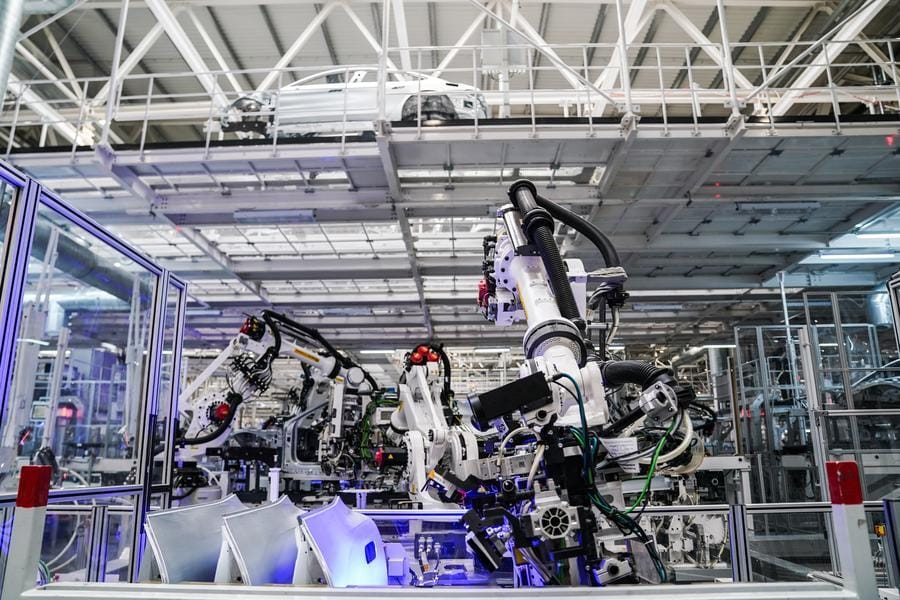
China is betting on AI where it actually touches metal.
At events like Productronica China, manufacturers are showcasing AI-driven inspection, robotics coordination, and predictive maintenance systems already deployed at scale. Analysts estimate AI-assisted manufacturing productivity gains between 12.4% and 19.7% across electronics and automotive supply chains over the last 24 months.
What strikes me is how unsexy this is. No demos, no avatars, just quieter factories where defects drop and uptime climbs. While the West argues about prompts, China is embedding models into machines that don’t ask permission.
This kind of progress compounds. Software headlines fade, but physical systems lock advantages in place.
If AI advantage shows up first in factories, not feeds, the harder question is who notices before the gap is permanent.
Davos Is Talking About AI Because It’s Losing Control
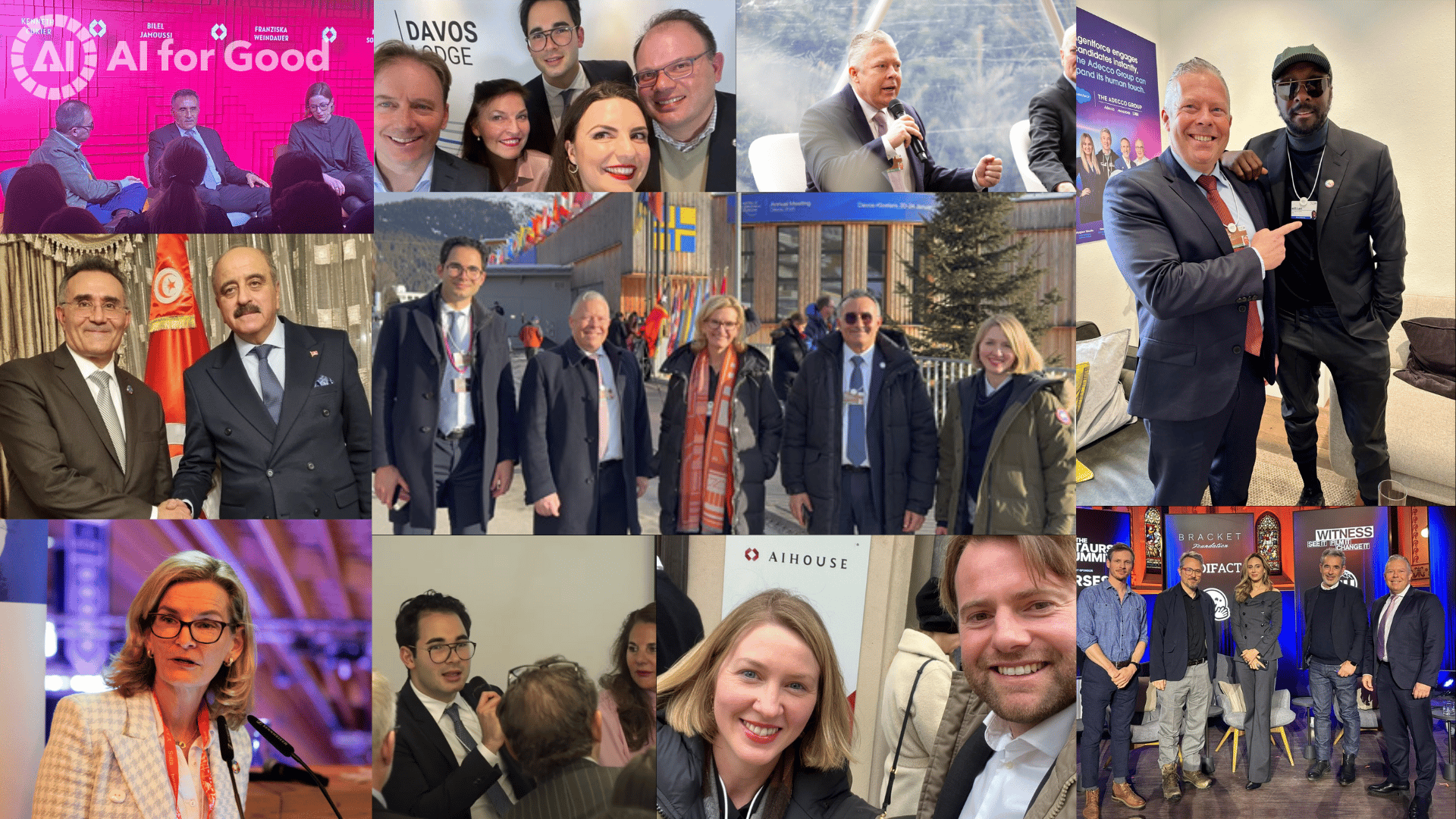
AI dominated Davos conversations this year for a reason.
At the World Economic Forum, executives and policymakers framed AI as both a growth engine and a governance nightmare. Private estimates circulating at Davos suggest over $1.6 trillion in cumulative AI infrastructure commitments are now locked in through 2029, largely beyond regulatory reach.
What bothers me is the tone shift. This wasn’t optimism; it was containment. You could feel it in panel rooms at 9 a.m., screens glowing, as leaders talked about “guardrails” after the money had already moved.
The implication is clear: power consolidated first, rules come later.
When global leaders admit they’re reacting instead of steering, the real question is who AI ends up serving when the lights are on and decisions are live.