- The Human Guide
- Posts
- Apple Just Picked a Side in the AI War
Apple Just Picked a Side in the AI War
Plus: OpenAI buys the Super Bowl, and autonomous agents quietly take over work

Felix Khakame
January 13, 2026
In partnership with

Hello, Human Guide
Today, we will talk about these THREE stories:
Apple’s quiet decision to plug Google’s Gemini into Siri
OpenAI going fully mainstream with a Super Bowl ad blitz
Why “agentic AI” is suddenly everywhere inside companies
What makes a great ad in 2026?

If you want to know the core principles of high-performing advertising in 2026, join our educational webinar with award-winning creative strategist Babak Behrad and Neurons CEO & Founder Thomas Z. Ramsøy.
They’ll show you how standout campaigns capture attention, build memory, and anchor brands. You’ll walk away with clear, practical rules to apply to your next campaign.
You’ll learn how to:
Apply neuroscientific principles to every campaign
Build powerful branding moments into your ads
Make your ads feel relevant to your audience
Master the art of high-impact campaigns in an era of AI-generated noise and declining attention spans
Apple Hands Siri to Google’s Gemini

Apple finally admitted Siri couldn’t do this alone.
Reuters reports Apple signed a multi-year agreement to integrate Google’s Gemini models into a revamped Siri, marking the first time Apple has leaned this hard on an external AI system for a core product. The deal follows internal testing that reportedly showed Gemini outperforming Apple’s in-house models on complex reasoning and multi-step tasks.
What stands out is how un-Apple this feels. Apple has spent two decades insisting vertical integration is its moat, yet here it is outsourcing intelligence while keeping the interface. This is less about trust in Google and more about Apple protecting its ecosystem at the exact moment users are comparing assistants side-by-side on glowing screens.
The implication is simple: AI quality now matters more than ownership. Control the surface, rent the brain.
If Apple is willing to compromise on one of its most sacred principles, the real question is what else becomes negotiable once AI expectations reset.
Source: Reuters
OpenAI Is Buying the Biggest Screen in America

OpenAI doesn’t want to be a tool anymore.
The Wall Street Journal reports OpenAI will run a Super Bowl commercial, putting it alongside brands that spend roughly $7m for 30 seconds of attention. This comes as ChatGPT faces tightening competition from Google, Anthropic, Meta, and a growing list of open-source alternatives.
What struck me is how fast the tone shifted. Super Bowl ads aren’t about power users or developers; they’re about dinner-table legitimacy. You buy that slot when you want parents, not engineers, to trust you.
The broader implication is brand gravity. Once AI becomes a household name instead of a product category, distribution beats novelty.
When AI companies start fighting for mindshare instead of benchmarks, the real question is which models quietly fade into the background.
Source: The Wall Street Journal
Agentic AI Is Moving From Demos to Reality
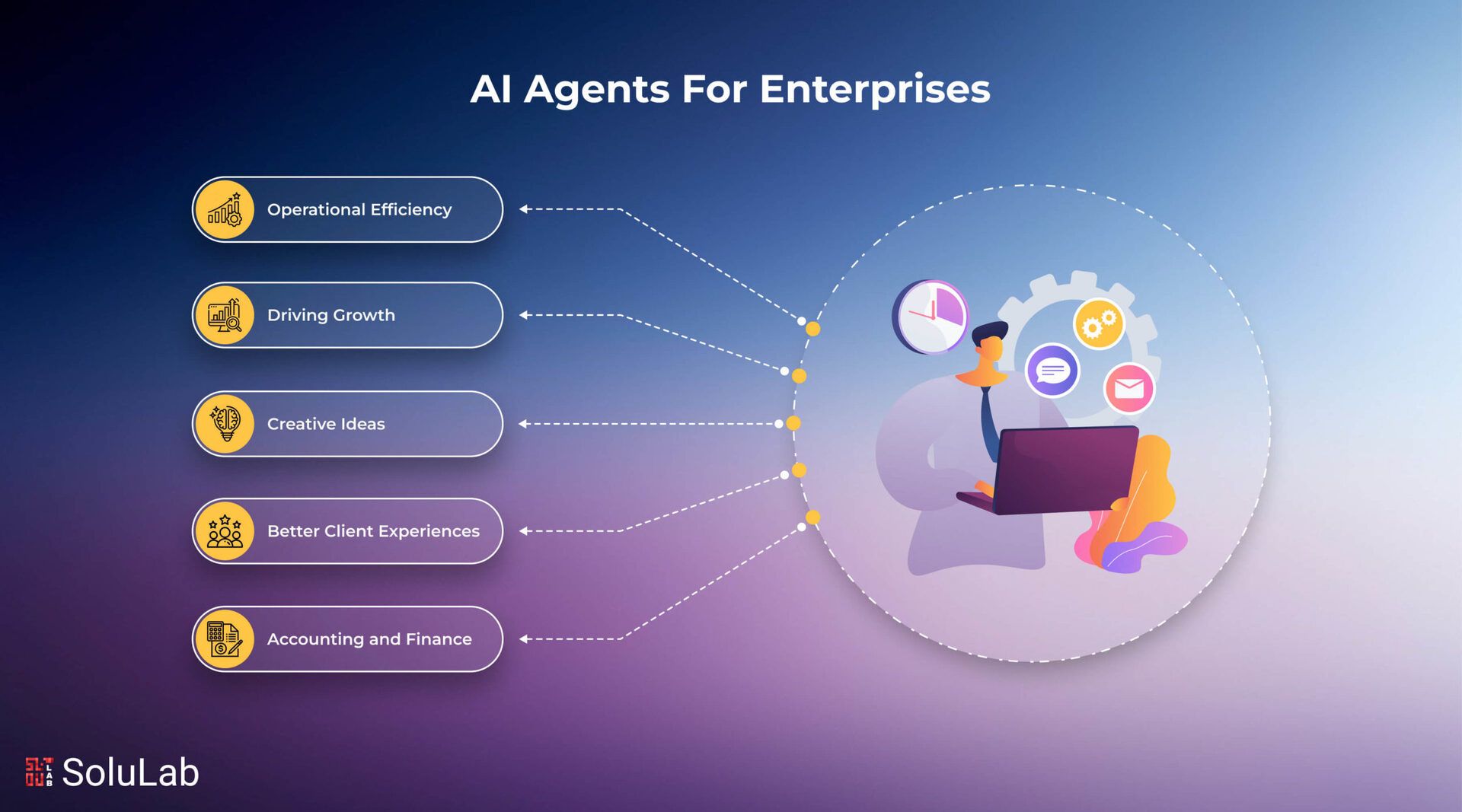
AI is starting to do things without asking first.
Coverage across Forbes and enterprise reports shows “agentic AI” systems—AI that plans, acts, and checks its own work—moving from prototypes into real workflows. These systems chain multiple tools, memory layers, and decision loops to complete tasks like customer support resolution, data analysis, and internal ops with minimal human input.
What stands out is how quiet this transition is. No flashy chatbot window, no viral demo—just tasks getting done at 2 a.m. while dashboards refresh. This is less about intelligence and more about delegation.
The implication is structural. Once AI can act, not just answer, entire job shapes shift even if headcount doesn’t disappear overnight.
If agents become coworkers instead of tools, the real question is who stays accountable when no one is technically “clicking” anymore.
Sources: Forbes, enterprise AI reports