- The Human Guide
- Posts
- AI Isn’t Taking Jobs. It’s Quietly Changing Daily Life
AI Isn’t Taking Jobs. It’s Quietly Changing Daily Life
Plus why everyone feels more tired, more measured, and less in control

Felix Khakame
January 17, 2026
In partnership with

Hello, Human Guide
Today, we will talk about these three stories:
Jobs are changing without layoffs
Time saving technology is making people feel exhausted
AI is deciding outcomes without asking permission
Better prompts. Better AI output.
AI gets smarter when your input is complete. Wispr Flow helps you think out loud and capture full context by voice, then turns that speech into a clean, structured prompt you can paste into ChatGPT, Claude, or any assistant. No more chopping up thoughts into typed paragraphs. Preserve constraints, examples, edge cases, and tone by speaking them once. The result is faster iteration, more precise outputs, and less time re-prompting. Try Wispr Flow for AI or see a 30-second demo.
Your Job Is Shrinking Even If You Still Have It
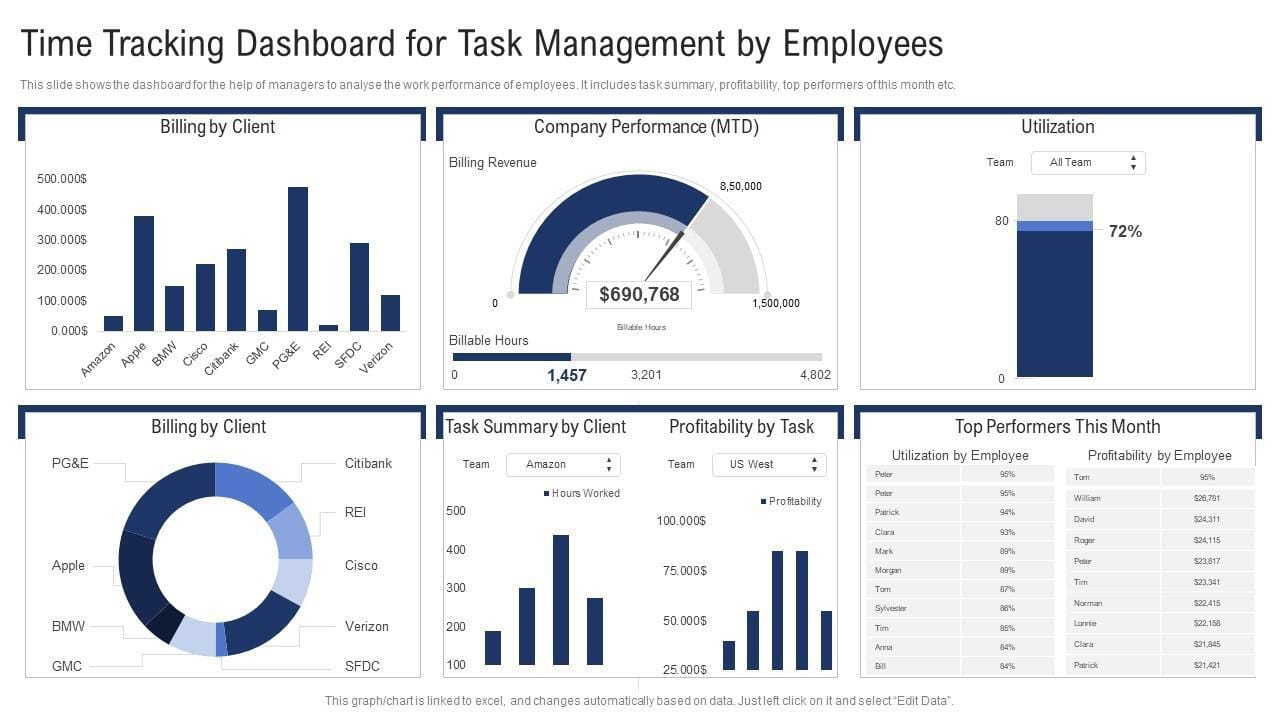
No layoff email arrived, but the job quietly changed shape.
Most companies are not replacing workers outright. Instead, they are using AI to compress roles. Tasks that once took hours now take minutes, and that efficiency resets expectations across entire teams without any formal conversation.
What stands out is how this plays out day to day. Job titles stay the same, but workloads expand. Managers see faster output and respond by adding more tasks, tighter deadlines, and more measurement. The laptop stays open later, the to do list never clears, and finishing the work feels impossible.
The implication is subtle but heavy. Employment remains, but security thins. Work becomes endless rather than difficult, and pressure replaces progress.
If jobs erode through accumulation instead of layoffs, the real question is when people realize what they have already lost.
Technology Saves Time, Yet Everyone Feels Exhausted
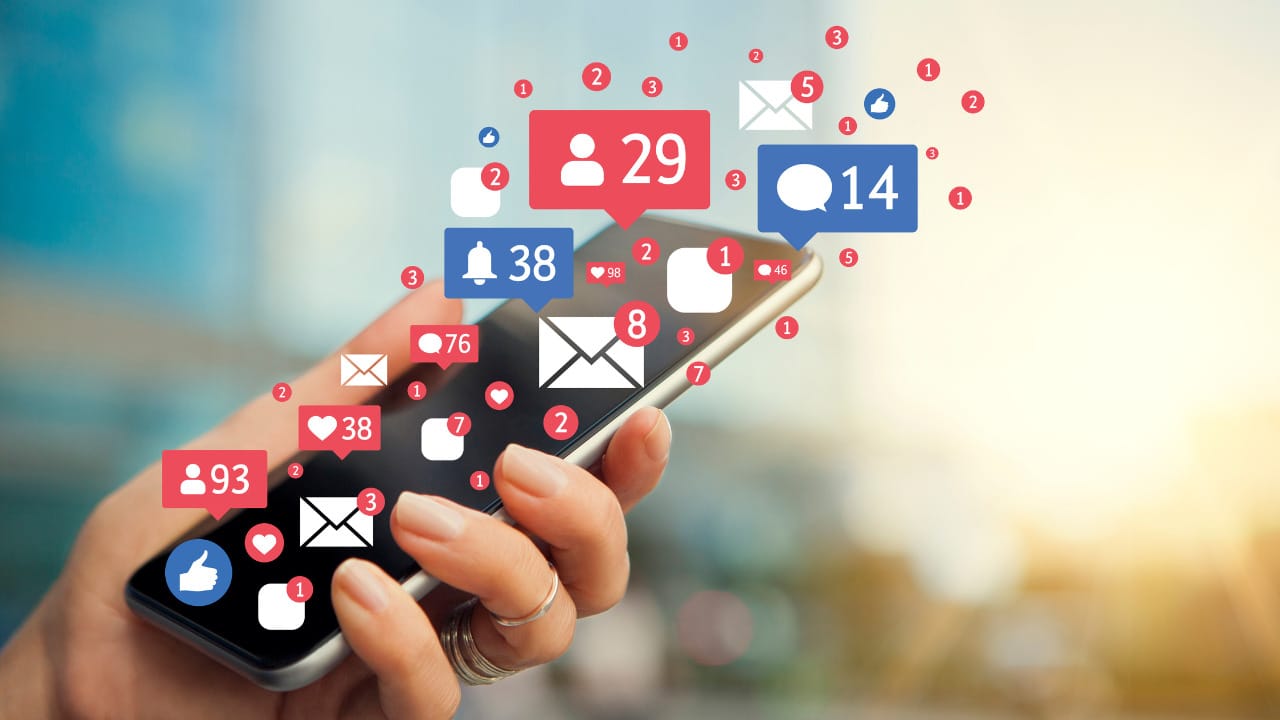
Efficiency arrived, and rest quietly disappeared.
AI tools now summarize meetings, draft emails, and automate routine work in seconds. But the time saved does not turn into rest. It turns into more messages, faster replies, and higher expectations about availability.
What bothers me is how invisible this trade feels. When responses can be instant, delay looks like failure. Convenience turns into obligation. Phones glow late at night, notifications keep stacking, and being offline starts to feel irresponsible.
The broader implication is cultural. Productivity becomes the baseline, not the goal. Slowness looks unprofessional. Recovery feels like falling behind.
If efficiency only raises expectations instead of lowering pressure, the real question is whether exhaustion is now the system working as intended.
AI Is Making Decisions About You Before You Ever Appear
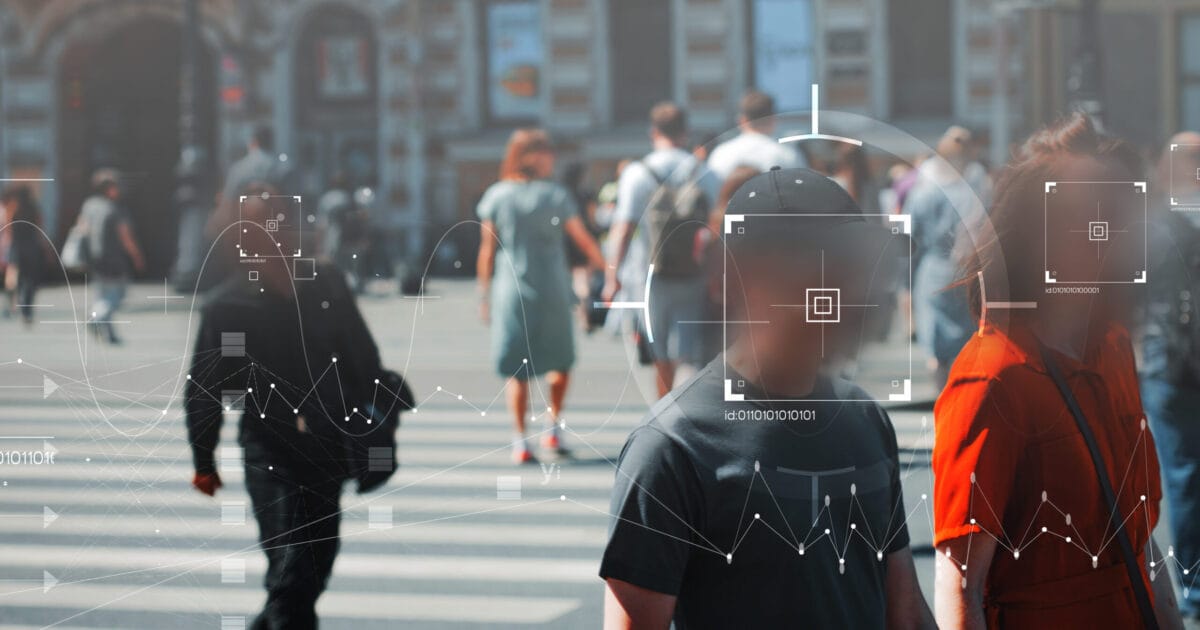
Many outcomes are decided before a human ever looks.
AI systems now screen resumes, flag transactions, rank content, and adjust prices automatically. By the time a person is involved, the system has already narrowed the options or made the call entirely.
What stands out is the silence around it. People rarely know when AI is involved, what data it used, or how to challenge the result. All they see is the outcome. Rejected. Flagged. Priced out. Ignored.
The implication is power without visibility. Responsibility blurs as decisions pass through systems instead of people, and trust erodes without a clear place to push back.
If more of life is filtered through systems we cannot see or question, the real question is how consent survives when choice becomes invisible.