- The Human Guide
- Posts
- AI Is Quietly Splitting the World in Two
AI Is Quietly Splitting the World in Two
Plus: Samsung puts AI everywhere, and 2026’s real AI bottlenecks emerge

Felix Khakame
January 16, 2026
In partnership with

Hello, Human Guide
Today, we will talk about these THREE stories:
Why 2026 is shaping up to be a consolidation year for AI power
Samsung’s plan to turn every phone into an AI surface
How the global AI divide is widening faster than anyone admits
Hiring in 8 countries shouldn't require 8 different processes

This guide from Deel breaks down how to build one global hiring system. You’ll learn about assessment frameworks that scale, how to do headcount planning across regions, and even intake processes that work everywhere. As HR pros know, hiring in one country is hard enough. So let this free global hiring guide give you the tools you need to avoid global hiring headaches.
The AI Year Everyone Is Underestimating
The AI race didn’t slow down, it narrowed.
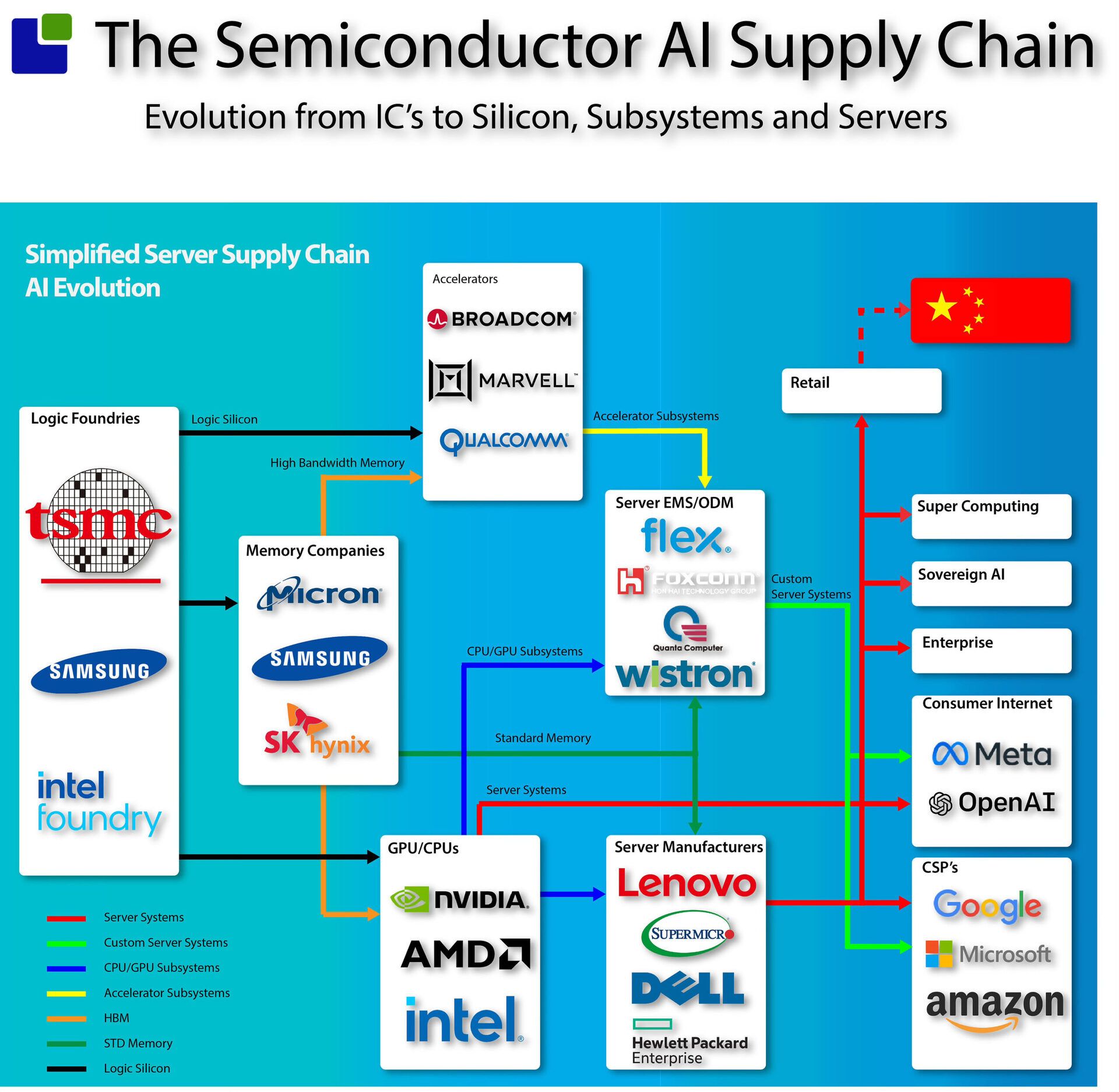
According to reporting from Reuters, 2026 is defined less by new models and more by who can actually afford to run them. Capital, chips, power, and data-center access are concentrating around a small group of firms, while everyone else waits in line.
What stands out is how unglamorous the bottlenecks are. This is less about intelligence breakthroughs and more about transformers, grid permits, and supply chains humming at 2 a.m. while dashboards refresh. The future is being decided by infrastructure teams, not demo videos.
The implication is simple: fewer winners, deeper moats. If you’re not vertically integrated or massively funded, experimentation gets expensive fast.
If AI progress now depends on who controls electricity, chips, and cooling, the real question is how many players are already priced out without realizing it.
Samsung Wants AI in Every Pocket

Samsung is done treating AI as a feature.
As reported by Axios, Samsung plans to bake AI capabilities across its entire smartphone lineup, not just premium models. The strategy signals a shift from “AI apps” to AI as a default layer of interaction.
What stands out is the ambition. This isn’t about one assistant button—it’s about turning photos, messages, translation, and device control into always-on intelligence, quietly running while your phone glows on the table late at night.
The implication is pressure on everyone else. When AI ships at scale on hardware, software competitors lose the luxury of optional adoption.
If billions of people get AI by default instead of by choice, the real question is who decides how much autonomy that intelligence should have.
The Global AI Divide Is Getting Worse
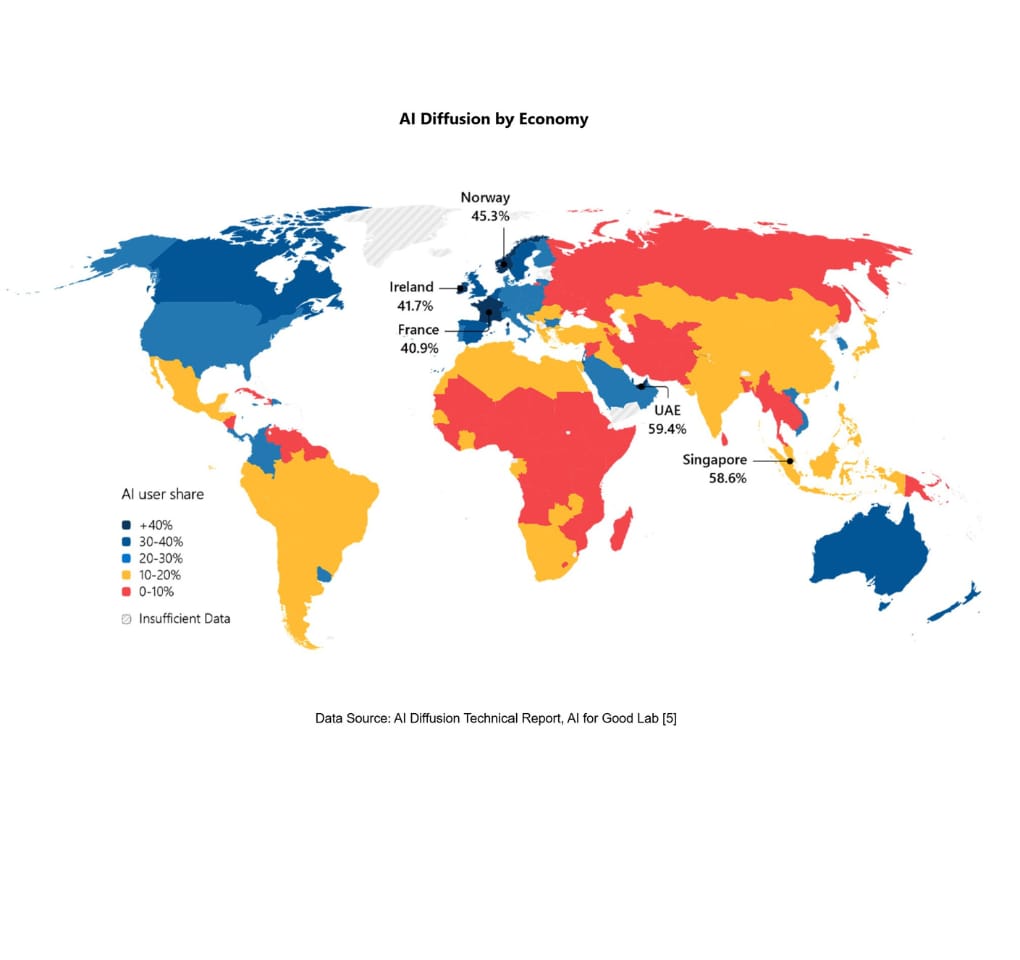
AI adoption is accelerating and leaving whole regions behind.
Analysis highlighted by Computerworld shows advanced economies racing ahead on AI deployment, while lower-income regions struggle with compute access, talent shortages, and infrastructure gaps. Usage is growing everywhere, but capability is not.
What bothers me is how invisible this feels. From a glowing laptop in New York or Seoul, it looks like progress is universal. But elsewhere, teams hit ceilings fast—no GPUs, no budgets, no leverage—just ambition and limits.
The implication is structural inequality baked into the next tech cycle. AI doesn’t just amplify productivity; it amplifies starting positions.
If intelligence becomes the core economic input, the real question is whether AI closes gaps—or locks them in permanently.